
Eating Less and Working Harder Isn’t the Answer Anymore
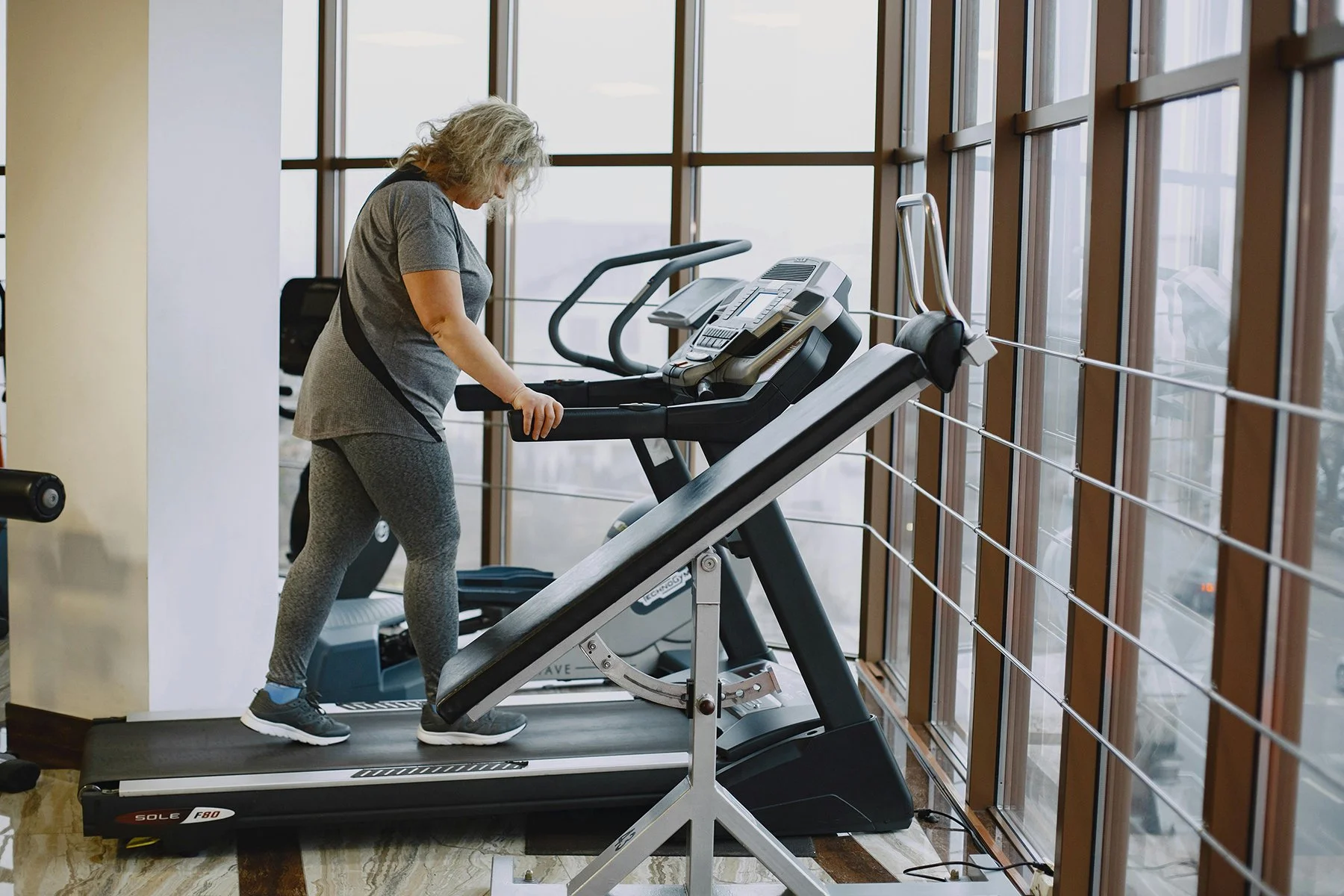
Eating Less and Working Harder Isn’t the Answer Anymore — Here’s What Actually Works
If you’ve ever found yourself thinking “Eating less and working harder isn’t the answer anymore, so what will actually move the needle?” you’re not alone. Too often we fall back on outdated fitness advice — eat less, burn more, and hope for the best — only to feel frustrated when the scale doesn’t budge or your energy drops. (MadeStrong Method)
The truth is simple: Eating less and working harder isn’t the answer anymore because your body isn’t designed to thrive under restriction and stress. As we age — especially through our 40s and beyond — our bodies change, and so must our approach. (MadeStrong Method)
Why Eating Less and Working Harder Isn’t the Answer Anymore
For years, many women have relied on eating less food and making workouts more intense to see results. But now your body is smarter and more complex than that old mantra ever gave it credit for. When you consistently eat too little and work out harder without enough nourishment or recovery, your metabolism becomes more sensitive — and less tolerant of those extremes. (MadeStrong Method)
Instead of feeling lighter or stronger, you might experience:
Persistent fatigue
Plateaued weight or even weight gain
Increased cravings
Muscle loss
Blood sugar fluctuations
All because your body interprets constant restriction and intense effort not as progress — but as stress. Eating less and working harder isn’t the answer anymore when it leads to burnout instead of balance. (MadeStrong Method)
Why This Old Strategy Stops Working With Age
As you age, factors like hormones, stress, sleep quality, and muscle mass have a bigger influence on your energy and metabolism. Undereating, especially over long periods, can raise stress hormones like cortisol, impair recovery, and even slow down your ability to burn fat. This means the old “eat less move more” approach becomes less effective — and in some cases counterproductive. (MadeStrong Method)
A Smarter Way Forward
If eating less and working harder isn’t the answer anymore, what is?
It starts with supporting your body with enough fuel — especially from protein and nutrient‑dense foods — and pairing that with a sustainable training approach that helps you build strength instead of fatigue. (MadeStrong Method)
Here’s what that looks like:
Fuel your body adequately, not restrict it — Eating enough calories and nutrients helps maintain muscle and balance hormones. (MadeStrong Method)
Prioritize strength and recovery over endless cardio — resistance work builds muscle, boosts metabolism, and supports long‑term health. (Instagram)
Respect your body’s signals — hunger, exhaustion, cravings, and plateaus aren’t failures — they’re clues that your strategy needs to evolve. (Instagram)
Food and Training Should Support Your Life — Not Sabotage It
Nutrition shouldn’t feel like punishment, and workouts shouldn’t leave you depleted. When you shift your mindset away from eating less and working harder, you open the door to habits that encourage strength, energy, and consistency. (MadeStrong Method)
That means focusing on:
Balanced meals that nourish and satisfy
Resistance training that supports muscle and metabolism
Rest and recovery that allow your body to adapt and grow stronger
Instead of constantly trying to outrun a deficit, you’re building habits that fit your life right now. (MadeStrong Method)
Ready to Leave the “Eat Less, Work Harder” Trap Behind?
You don’t have to navigate this alone. Personalized guidance can help you fuel your body without stress or guesswork — and help you get the results you want with a plan that actually works for your body today.
If you’ve read this and thought, “Eating less and working harder isn’t the answer anymore — I’m ready for something better” — then you’re already ready for the right next step. (MadeStrong Method)
Would you like this in an SEO‑optimized format with headers, meta description, and suggested internal links too?